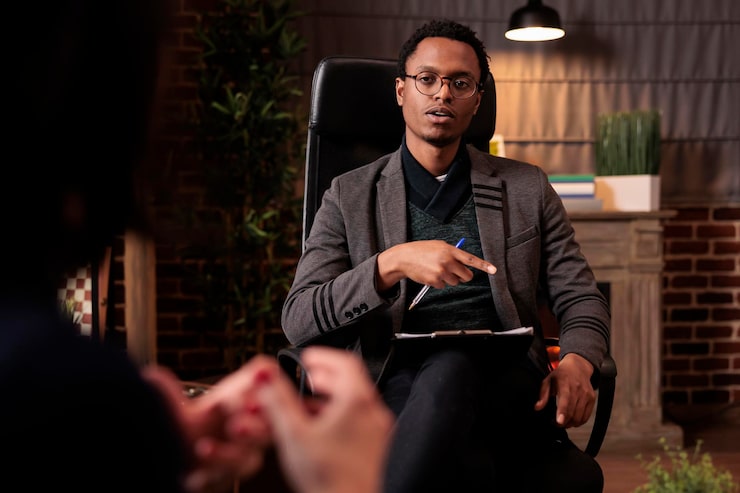
For generations, Black men in the UK have been cast into the mould of the unwavering provider—expected to shoulder familial and societal responsibilities without faltering. This archetype, while rooted in resilience, often overlooks the emotional and psychological toll it exacts.
The Weight of Expectations
Societal norms have long dictated that men, particularly Black men, must embody stoicism and suppress vulnerability. This expectation contributes to alarming mental health disparities. According to Mind, Black or Black British people are more likely to experience common mental health problems, yet they have the lowest treatment rates of any ethnic group, at just 6%, compared to 13% in the White British group.
Furthermore, Black individuals are disproportionately detained under the Mental Health Act. In the year to March 2023, Black people were 3.5 times more likely than White people to be detained. These statistics underscore the urgent need to address the systemic pressures and stereotypes that hinder Black men from seeking help.
Embracing a Holistic Identity
Redefining strength involves acknowledging that true resilience encompasses emotional intelligence, self-awareness, and the courage to seek support. By embracing a holistic identity, Black men can dismantle the confines of traditional masculinity and foster a more inclusive understanding of manhood.
Initiatives like Man in the Mirror UK are pivotal in this transformation. By providing safe spaces, mentorship programs, and culturally competent mental health services, they empower Black men to explore and express their full selves without fear of judgment.
A Call to Action
It’s imperative to challenge and change the narratives that confine Black men to singular roles. Communities, policymakers, and mental health professionals must collaborate to create environments where Black men feel supported in all facets of their identity.
By redefining strength to include vulnerability and emotional expression, we pave the way for a more equitable and compassionate society.